Bridges of God and the Power of Movements: Honoring Donald McGavran’s Legacy
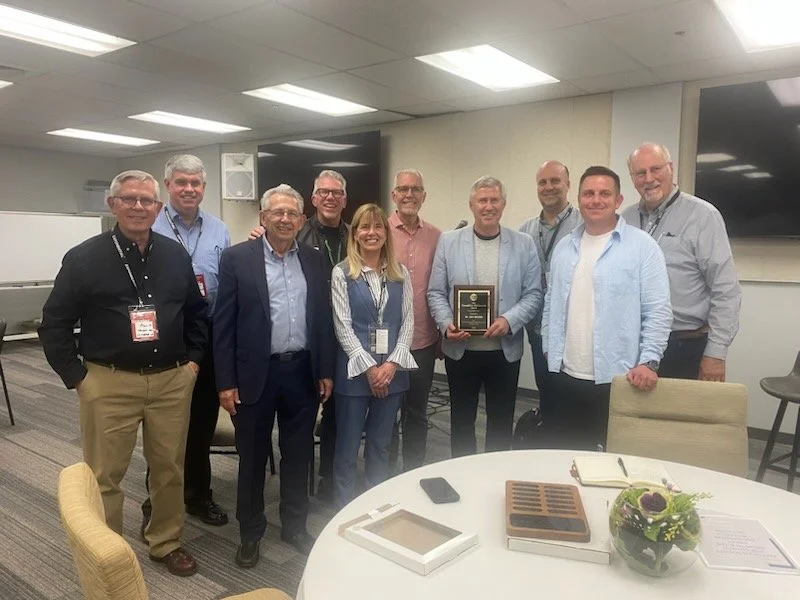
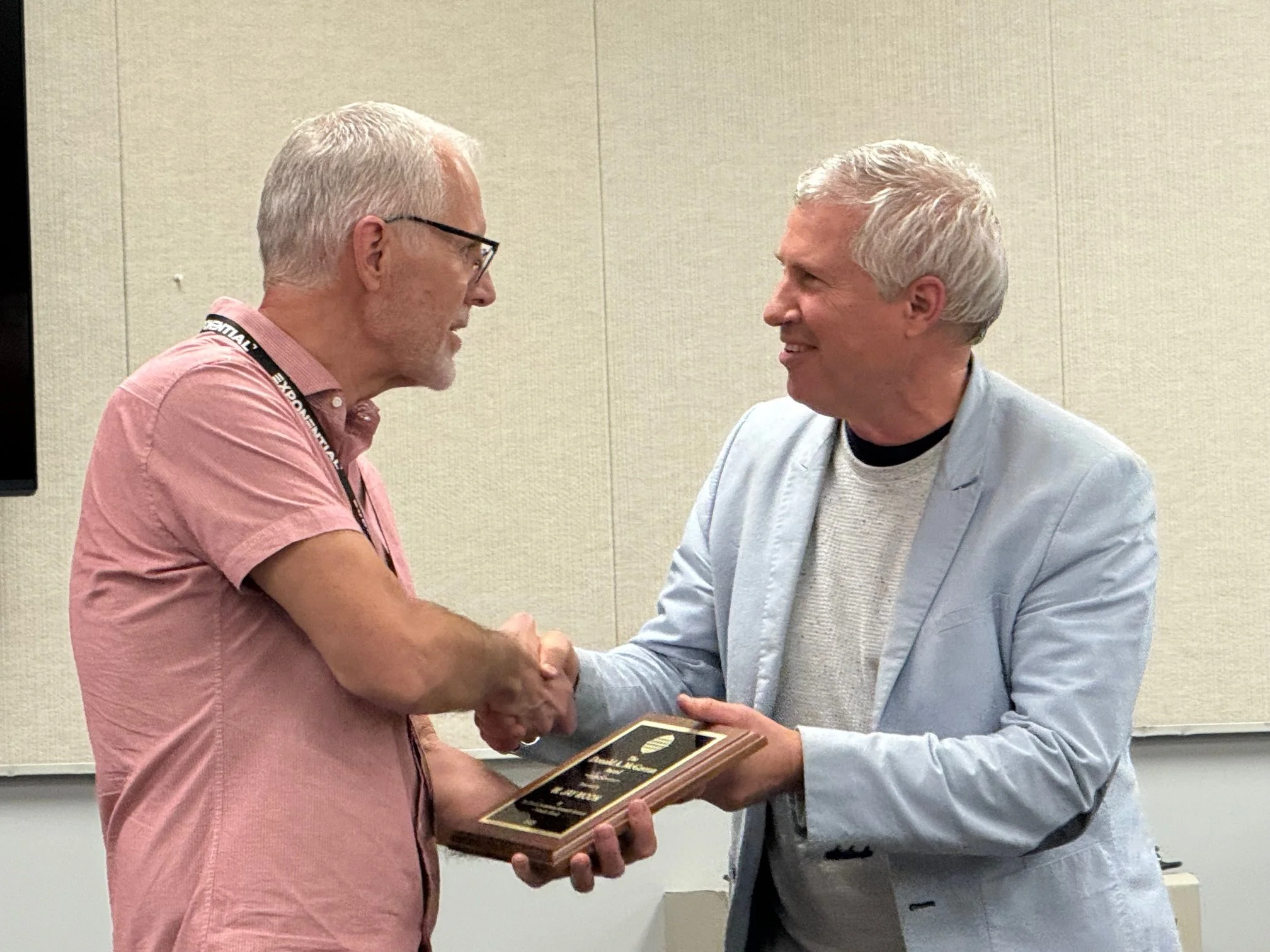
This year, I was deeply honored and humbled to receive the Donald A. McGavran Award for Outstanding Leadership in Great Commission Research. This prestigious recognition, presented annually at the Great Commission Research Network’s President’s Banquet, is given to individuals who have exemplified leadership, scholarship, and innovation in the study and application of effective disciple-making. Receiving this award isn’t just a personal milestone—it’s an opportunity to reflect on the enduring impact of Donald A. McGavran, whose life and work continue to inspire mission practitioners around the world.
Who Was Donald McGavran?
Donald McGavran (1897–1990) was a visionary missiologist and the founder of the Church Growth Movement. As a third-generation missionary in India, he observed a vital dynamic: people often come to faith in clusters, not as isolated individuals. This insight sparked what would become the foundation for his concept of “people movements”—a principle that revolutionized global mission strategy in the 20th century.
McGavran believed mission should not only aim to plant churches but to grow churches that multiply. He was one of the first to integrate theology with sociological research, using real-world data and social science tools to identify patterns and refine strategies for more effective evangelism. In doing so, he helped establish missiology as a practical academic discipline. His work steered missions away from purely institutional or colonial models and toward strategic, relational, and context-sensitive approaches that resonate deeply today.
The “Bridges of God”
Among McGavran’s most compelling contributions is his idea of the “Bridges of God.” He developed this concept after observing two neighboring churches in a village in India. One church welcomed individuals into the community of faith, taught them, and began discipleship. The other did the same—but added a simple, powerful step.
In the second church, when a new believer came to faith, church members would intentionally accompany them back into their relational world—to their family, neighbors, co-workers, or sports team. As people noticed transformation in the life of their friend or relative, it opened conversations and doors. That relational web became a God-given bridge for others to hear the gospel and respond.
McGavran concluded that these natural, relational bridges are how movements happen. They’re not created artificially—they’re embedded in everyday life. And when they remain open, the gospel travels farther and faster.
Jesus Modeled This First
McGavran’s insight finds a striking parallel in Jesus’ own ministry. In John 1:35–46, Jesus calls His first disciples through existing relational networks: John the Baptist points his disciples to Jesus; Andrew tells his brother Simon Peter; Philip tells Nathanael. These weren’t random recruits—they were friends, neighbors, siblings. Jesus used Bridges of God to gather His earliest followers.
Keeping the Bridges Open
But McGavran also issued a warning. He observed that within two years of conversion, most believers lose meaningful contact with their pre-Christian relationships. That’s understandable—church life gets busy, and people often form new social circles. But the result can be a closed bridge, making it harder for others to connect to the gospel through that person.
McGavran urged believers to be intentional. If someone chooses to stop going to the bar with their old friends, that’s fine—but he or she should reconnect the bridge elsewhere: maybe on a recreational sports team, a book club, or community event. The key is to remain in meaningful contact with people who don’t yet know Christ.
A Legacy Worth Continuing
To be honored with the Donald McGavran Award is a gift I don’t take lightly. It’s not just about past accomplishments—it’s a challenge to carry the torch of innovation, research, and relational mission into the present and future.
The Great Commission Research Network specifically acknowledged the role of my book, Effective Intercultural Evangelism, in training a new generation of leaders and church planters. I’m grateful to contribute to a conversation that is so urgently needed in our time—one that seeks to bridge cultures, build trust, and offer the good news of Jesus in ways that connect.
McGavran’s vision of churches that multiply through relationships, not just events or programs, remains as fresh and relevant as ever. In an age of digital connection and relational disconnection, Bridges of God are more important than ever. May we nurture them, protect them, and walk faithfully across them with the hope of Christ.
Movements still grow—not just through platforms or pulpits, but through everyday people sharing extraordinary news across ordinary relationships.