You Are More Creative Than You Think: Recovering the Imagination God Gave You
“I’m just not a creative person.”
I have heard this statement many times while teaching Missional Imagination to pastors, missionaries, and church leaders around the world. Yet every time I hear it, I wonder if the problem is really a lack of creativity—or something else entirely.
One of the most memorable examples occurred while teaching a group of Chinese pastors and missionaries. Early in the training, one woman confidently informed me that she was not creative.
“Why do you say that?” I asked.
She shrugged and replied, “I just don’t come up with creative ideas very often.”
Her answer revealed a common misconception. Many people assume creativity is a special gift distributed to only a fortunate few. Some people are “creative types,” while everyone else is left to admire them from a distance.
But Scripture paints a very different picture.
Created in the Image of a Creative God
The opening chapters of Genesis reveal a God who imagines, designs, creates, cultivates, and brings order out of chaos. Before there was light, oceans, mountains, or people, these realities existed first in the imagination and purpose of God. Genesis 1–2 portrays God as the ultimate Creator, forming a world filled with beauty, diversity, and possibility.
Then comes the astonishing declaration:
“So God created mankind in his own image, in the image of God he created them” (Genesis 1:27).
If God is creative and we are made in His image, then creativity is not an optional accessory to being human—it is part of our spiritual DNA. As the Missional Imagination framework argues, one of the primary motivations for innovation and imagination is simply to bear the image of God. Humans reflect God's creative nature because they were designed by Him to do so.
This means creativity is not reserved for artists, musicians, entrepreneurs, or inventors. Every human being possesses the capacity to imagine alternate possibilities because every human being bears the image of a creative God.
Wonderfully Made
Psalm 139 deepens this truth.
David celebrates that God personally formed him in the womb:
“For you created my inmost being; you knit me together in my mother’s womb” (Psalm 139:13).
Each person is intentionally crafted by God. We are not mass-produced products rolling off an assembly line. We are uniquely designed creations. The same God who imagined galaxies and oceans also imagined you.
The psalmist marvels that God's thoughts toward us are beyond counting. Creativity, imagination, and purpose originate in the heart of God long before they appear in our lives.
When people say, “I’m not creative,” they are often unintentionally denying something about the God whose image they bear.
God’s Workmanship
Paul adds another layer in Ephesians 2:10:
“For we are God’s workmanship, created in Christ Jesus to do good works, which God prepared in advance for us to do.”
The word translated workmanship carries the idea of a masterpiece or artistic creation. We are not only created by God; we are God's creative work.
Furthermore, we are created for good works that participate in His mission in the world. Missional imagination involves “sensing the same things as others but envisioning alternate possibilities to reveal the kingdom of heaven on earth.”
That kind of imagination is not limited to a select few spiritual superheroes. It is part of how God intends His people to participate in His mission.
So Why Do People Feel Uncreative?
If creativity is part of being human, why do so many people feel devoid of it?
In my experience, there are usually two primary reasons.
1. Neglect
Creativity is like a muscle. Muscles grow stronger when exercised and weaker when ignored.
Many people simply stop practicing imagination. They stop asking questions, solving problems, experimenting, or exploring new possibilities. Over time, their creative muscles become weak from lack of use.
This does not mean creativity has disappeared. It simply means it has become dormant.
2. Poor Diet
Imagination also requires nourishment.
A healthy imagination feeds on Scripture, prayer, relationships, nature, learning, stories, experiences, and exposure to new ideas. The Missional Imagination approach repeatedly emphasizes that imagination can be cultivated and strengthened through intentional practices.
When our mental diet consists entirely of routine tasks, repetitive entertainment, and familiar patterns, our imagination often becomes malnourished.
Just as physical health requires proper nutrition, creative health requires feeding our minds with life-giving inputs.
A Wooden Box and a New Discovery
This brings me back to the Chinese pastor who insisted she was not creative.
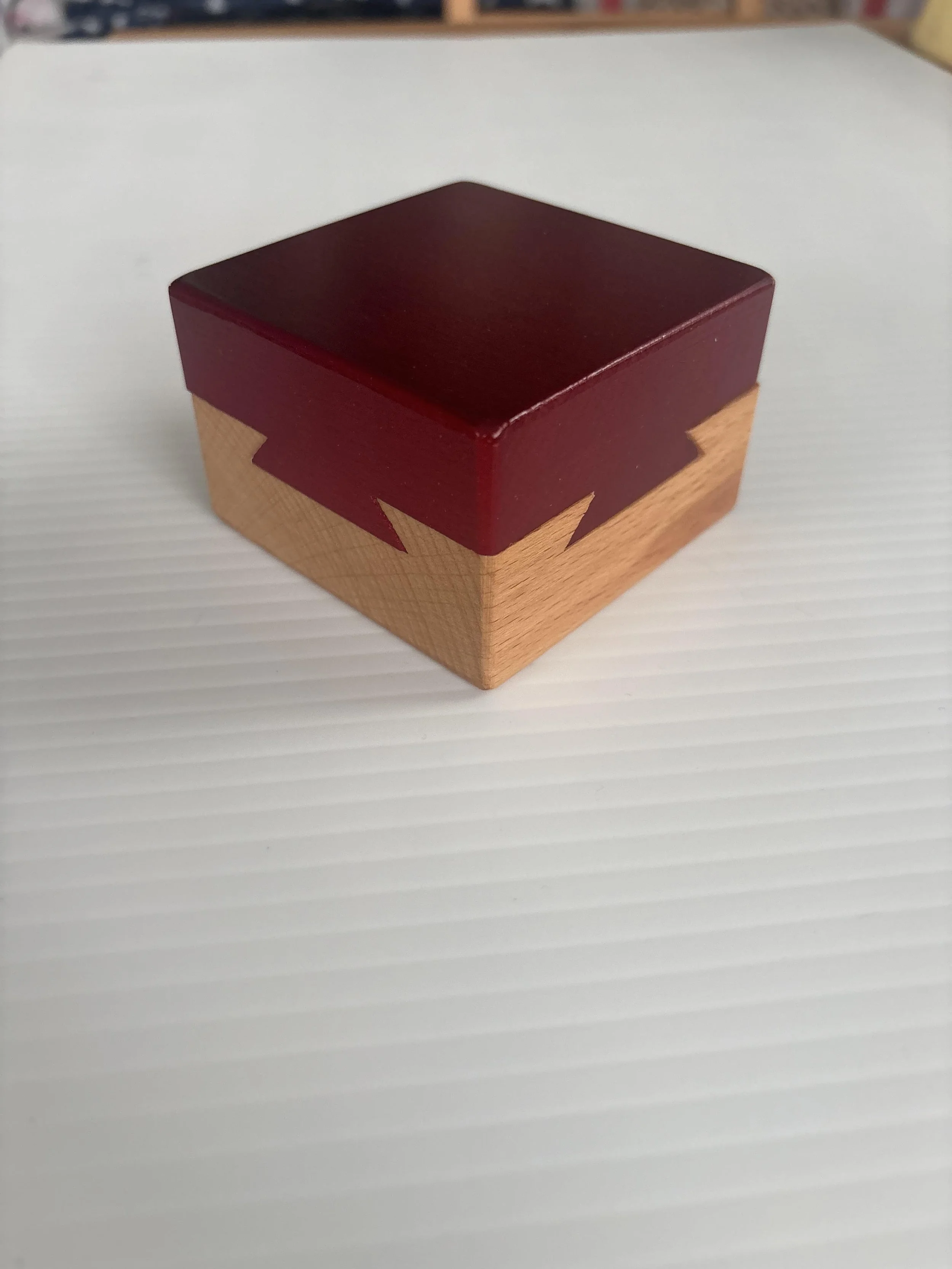
On the first day of training, I gave the students a wooden puzzle box from India and challenged them to open it. The puzzle required patience, experimentation, and creative problem-solving. Eventually everyone succeeded.
The next day, I presented a much harder puzzle box.
To my surprise, the woman who had confidently declared herself uncreative became the very first person to solve it.
I stared in amazement.
What had changed overnight?
Her identity had not changed.
Her intelligence had not changed.
Her spiritual gifts had not changed.
What changed was her confidence.
She had exercised her imagination. She had practiced creative problem-solving. She had experienced success.
By the end of the week, she smiled and admitted something she never expected to say:
“I really am creative after all.”
Recovering Creative Confidence
The real issue for many Christians is not creative ability but creative confidence.
Somewhere along the way, they concluded that imagination belonged to other people. They stopped exercising it. They stopped feeding it. They accepted a false narrative about themselves.
Yet the biblical story tells a different story.
You were created in the image of a creative God.
You were wonderfully formed by His hands.
You are His workmanship, created for His purposes.
Creativity may have been neglected. It may need nourishment. It may require practice and courage to rediscover. But it is already present because it reflects the character of the One who made you.
The woman in China did not become creative during that training week. She discovered that she had been creative all along.
Perhaps many of us need the same discovery.
The next time you find yourself saying, “I’m not creative,” remember Genesis, Psalm 139, and Ephesians 2. Remember the God whose image you bear.
Then ask a different question:
What might happen if I began exercising and feeding the imagination God has already given me?