Water from a Well: Why the Future of Tradition Depends on Innovation
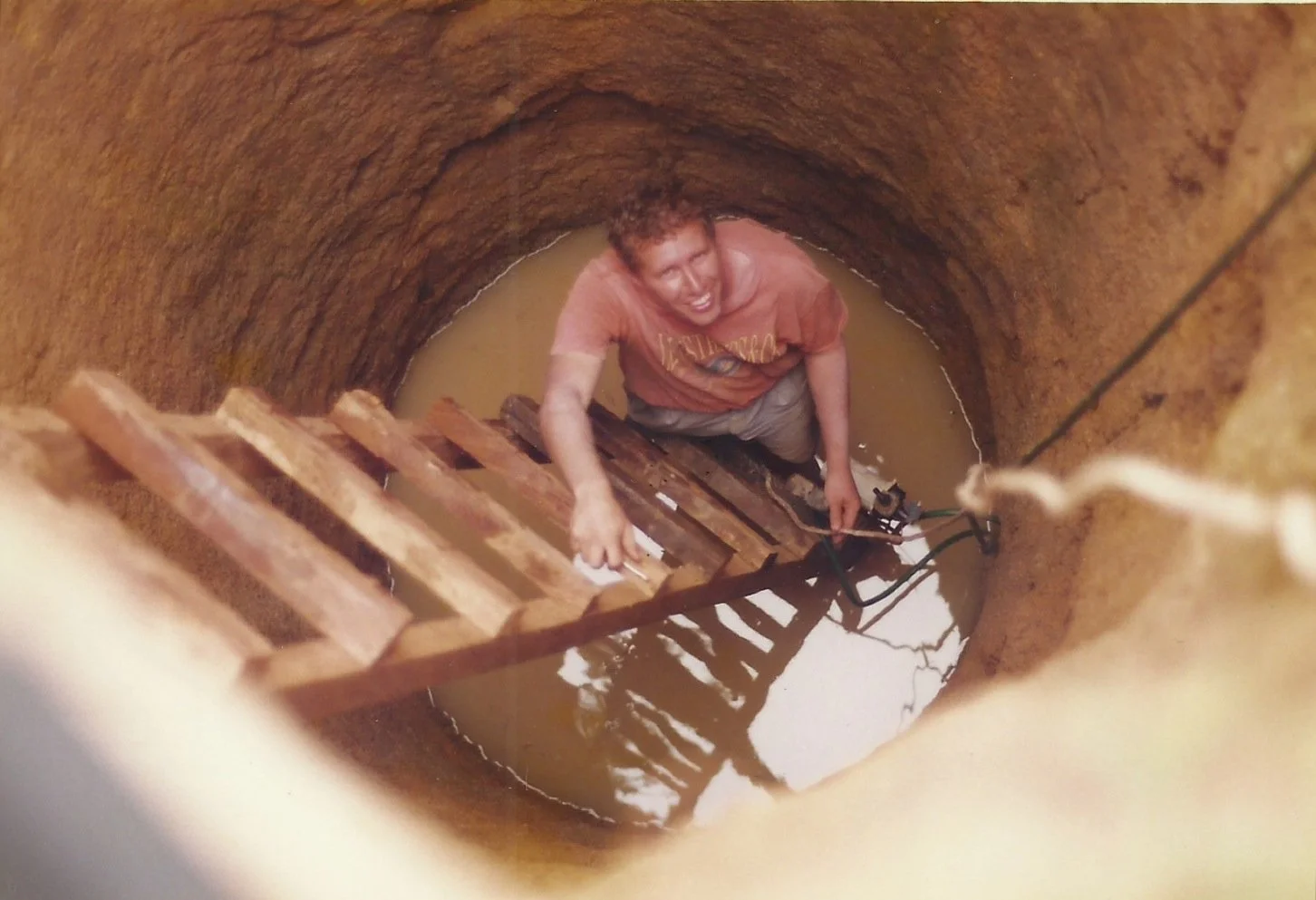
Years ago, sitting in a classroom at Virginia Tech, a Civil Engineering professor made a comment that hit me like lightning. He said, “If you want to change the world, work in sanitary engineering. Eighty percent of the diseases in the world are caused by inadequate water and sanitation. Doctors heal people, but sanitary engineers prevent them from getting sick in the first place!”
Right then, I knew my calling: I wanted to serve God and others through water development and church planting. That insight launched a 40-year journey - 13 of those years as a missionary, largely in Ghana, West Africa, focused on water development and church planting in rural villages.
Over the decades, one surprising truth kept surfacing: innovation and tradition aren’t enemies – they are partners.
Tradition or Innovation? Why Not Both?
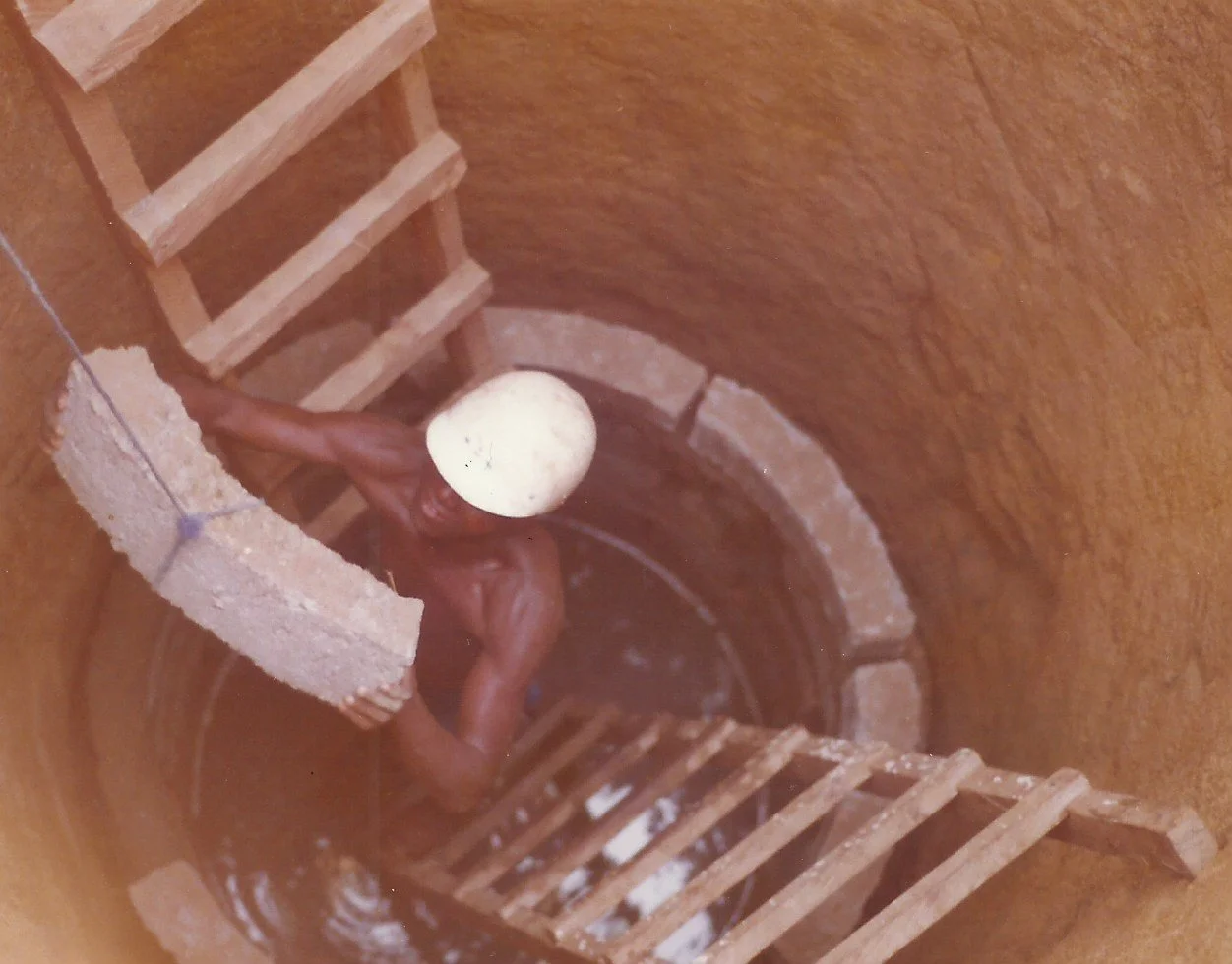
In remote villages of Ghana’s Upper East Region, the need for clean water was obvious, but the resistance to new solutions was real. Villagers would say:
“Our ancestors dug this well. It was good enough for them - why change it now?”
“We’ve never lined a well with cement blocks before - why should we start?”
These were genuine concerns, rooted in respect for tradition. But they also resisted innovation - as if using new tools meant dishonoring the old ways.
Sound familiar?
I’ve heard the same kind of hesitation in academic circles, particularly in theological education:
“Why change the seminary curriculum? We’ve always taught theology, Bible, and evangelism this way. That’s how I learned, and how I’ve taught for years - it was good enough for us. Why update it now?”
Behind both responses, whether in a Ghanaian village or a seminary boardroom, is the same tension: a deep respect for tradition, but a fear that innovation might erase it.
The Deeper Well
But here’s what I’ve come to believe: tradition is like the water in a deep well - it’s the life source. But innovation is how we draw that water to our lips.
When villagers transitioned from calabashes to metal buckets, from hand-dug holes to cement-lined wells, they weren’t abandoning their tradition. They were accessing it more safely and sustainably. Later came rubber tire-buckets, then plastic ones, and eventually hand pumps.
The water remained the same, but the method improved.
That’s how it works with faith and learning too.
Dr. L. Gregory Jones coined a phrase I love: “traditioned innovation.” It captures this tension beautifully. We don’t innovate in spite of tradition - we innovate because of it. We are grounded in deep truths, but open to new expressions.
Cassettes and Canvas
I experienced this firsthand in my own theological training. While working full-time as a sanitary engineer - and raising a young family - I couldn’t relocate to attend seminary. The solution? Cassette tapes.
Yes, actual cassettes.
The seminary mailed me a full collection of recorded lectures. I listened, wrote response papers, and even took a few intensive face-to-face classes when I could. Eventually, I earned a Graduate Certificate in Biblical Studies, just what my mission board required.
Some professors resisted this method. They argued, “Didn’t the Word become flesh and dwell among us? Doesn’t true formation happen face to face?” And they had a point. The in-person experience was formative. But the cassettes? They made theological education possible for thirsty “missionaries in training” like me.
Since then, we’ve moved through several waves of innovation: CDs, DVDs, online learning platforms like Blackboard and Moodle, and now Canvas and mobile micro-credentialing tools like Gnowbe. But the goal hasn’t changed: access the life-giving water of tradition.
Drawing Deep, Reaching Far
So what does this mean for educators, pastors, and innovators today?
It means we drink deeply from the wells of tradition - Scripture, theology, mission, evangelism, historical wisdom.
It means we innovate boldly - with podcasts, mobile learning, flipped classrooms, coaching cohorts, digital storytelling, and more.
It means we stop treating tradition and innovation as enemies. They need each other.
In fact, I would argue that we betray tradition when we stop finding fresh ways to share it. After all, if the water is life, why wouldn’t we want the best possible way to offer it to others?
So What’s the Next Bucket?
You may not be lining wells with cement blocks or digitizing lectures for students across the globe, but you are standing at the same crossroads.
Whether you’re leading a classroom, a church, a nonprofit, or a small business, the question is the same:
Are you committed to both the deep water and the new bucket?
Because if you are, you’re walking the path of “traditioned innovation” - a path that honors the past, engages the present, and reaches for a faithful future.
So keep drawing. Keep teaching. Keep building. The world is thirsty - and the well is deep.