Four Cups of Tea: Finding Tranquility in Bitter Times
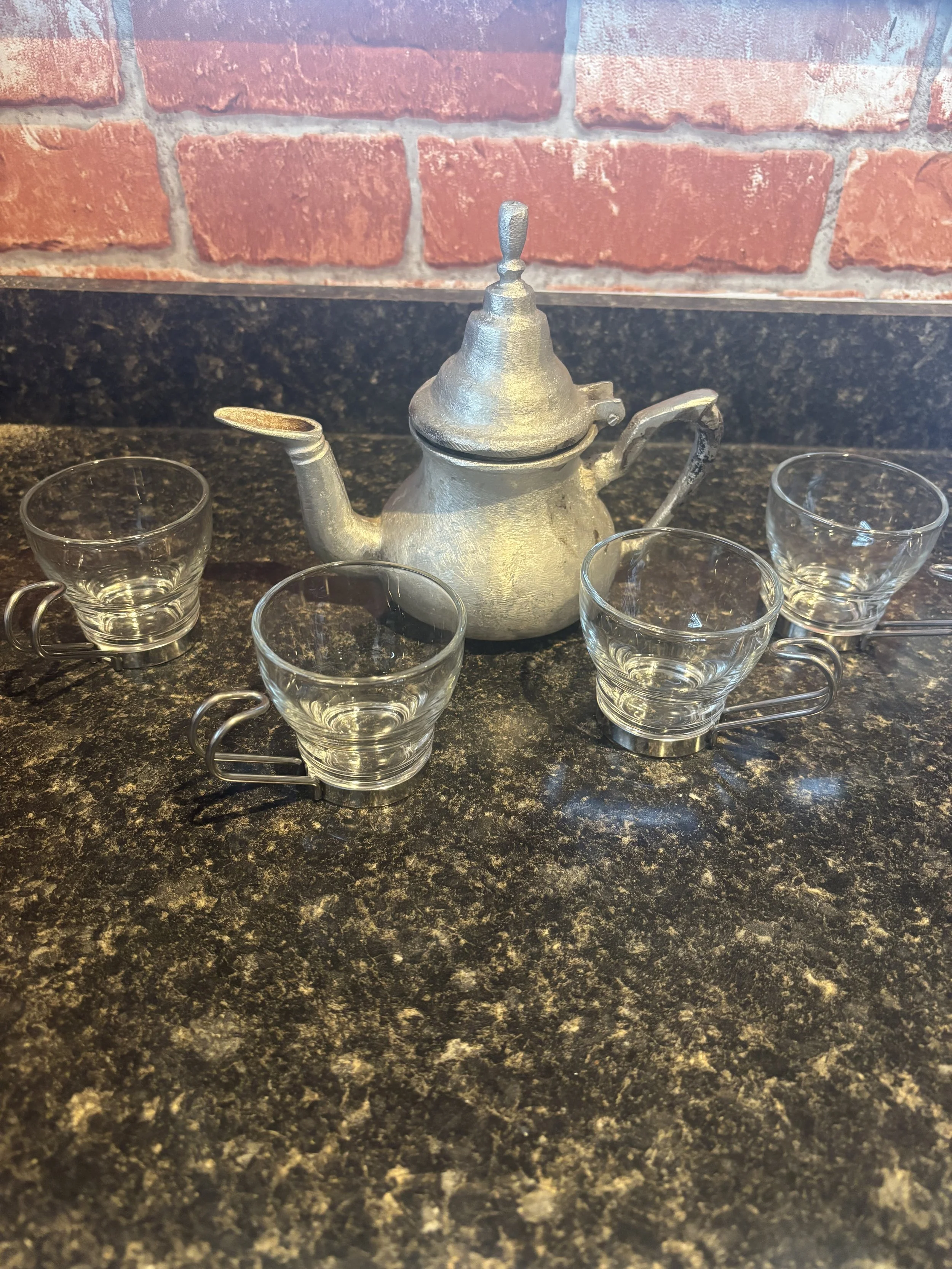
How can sipping tea change the way you see life?
When my older kids were teenagers in boarding school in Côte d’Ivoire, they came home with a curious little ritual they had learned from friends: an Arabic tea-drinking ceremony. At first, I thought it was just another quirky cultural practice. But soon, our family began brewing more than tea—we were brewing connection.
Every Sunday night, we would gather with one pot of tea leaves and four cups. Simple, right?
Yet what unfolded in those evenings was anything but simple. Each cup told a story. Each round of tea opened space for something deeper. And somehow, this practice carried us from bitterness all the way to tranquility—one sip at a time.
The First Cup: Bitterness
The first round of tea was always the strongest, and let’s be honest—downright bitter. There was no pretending otherwise.
So we didn’t pretend. During that first cup, each of us shared something bitter we were experiencing. Maybe it was an argument with a friend at school, an exam that didn’t go well, or loneliness that crept in. Sometimes it was something deeper, like disappointment with God or feeling left behind in life.
Naming bitterness out loud was hard—but also freeing. We learned that pretending bitterness doesn’t exist or doesn’t make it go away. Facing it together, with a steaming cup in hand, somehow made it lighter.
Spiritually, I couldn’t help but notice how much this mirrored the life of faith. Scripture is full of people drinking the “bitter cup”—from Job’s laments to Jesus in Gethsemane. The Bible never tells us to gloss over suffering. Instead, it shows us that God meets us right in the middle of it.
That first cup taught us to tell the truth: life is sometimes bitter. But bitterness isn’t the end of the story.
The Second Cup: Friendship
By the second brewing, the tea softened a bit. And so did our conversation.
For that round, we talked about friendship. The kids often shared about their roommates, classmates, or teammates. Sometimes the stories were lighthearted—about inside jokes or shared adventures. Other times, they were about conflict, forgiveness, or loyalty.
Friendship is the bridge God builds between our bitterness and hope. In the middle of life’s challenges, friends show up as God’s reminder that we’re not alone.
This second cup reminded us that even in the valleys, someone is walking with us—sometimes a friend, sometimes a sibling, sometimes Christ Himself, who calls us His friends.
The Third Cup: Love
By the third steeping, the tea had mellowed so much that we could almost enjoy it. That round became the “love” cup.
Here, the conversation turned to the ways we experienced love—within our family, among friends, and in our walk with God. Sometimes it was as simple as a teacher who encouraged them, or as profound as knowing they were loved unconditionally at home.
Love transforms bitterness. It doesn’t deny it or erase it—it redeems it. The cross is the ultimate example: Christ’s suffering (bitter as it was) poured out into the sweetest love the world has ever known.
In our tea circle, love came alive not just in words but in laughter, hugs, and sometimes tears.
That third cup helped us remember that love is always more powerful than bitterness. A common phrase arose, “Love is friendship caught on fire!” When looking for a future spouse, there were reminded to deepen a friendship first.
The Fourth Cup: Tranquility
Finally came the last round—the weakest, gentlest, almost sweet cup of tea.
This was the “tranquility” cup. By then, the conversation shifted to peace—where we felt it, how we longed for it, how God seemed to bring it in unexpected ways.
Sometimes tranquility looked like a quiet moment on the porch after a busy day. Sometimes it was the calm that comes after conflict is resolved. And sometimes it was the deep peace of trusting God even when nothing around us seemed peaceful.
Jesus said, “My peace I give you. Not as the world gives do I give to you” (John 14:27). That final cup reminded us that tranquility isn’t about escaping life’s challenges but trusting God’s presence through them.
More Than a Ceremony
As the kids grew up, this tea tradition stuck with them. It wasn’t just about tea—it was about learning that life is steeped in stages.
Bitterness comes first. We can’t escape it. It does not mean that God has forgotten us either. But when we face it honestly and trust God, we discover friendship, then love, and finally, tranquility.
Years later, when my kids got married, the memories of our Sunday night tea circles came flooding back. At their weddings, I was struck by how deeply they had absorbed this lesson. Life will give them bitter cups—but God’s faithfulness will always guide them toward peace. To actually arrive at love and eventually tranquility, you first need to navigate through bitterness and friendship.
The Lesson of the Tea Bag
One tea bag. Four rounds. Four life lessons.
It still amazes me how something so simple became one of the most powerful spiritual practices in our family. It taught us that God has not forgotten us in times of bitterness. In fact, those bitter moments can be the very soil where friendship, love, and tranquility grow.
Recently, I practiced this ceremony with a group of doctoral students in class. At the end, one student exclaimed, “We have been in class together for 3 years but I feel like this short ceremony has helped me know more about them than all our previous times together!”
Every time I sip tea, I remember: the story isn’t over after the first cup.